125 Years of Gebr. Otto
Endurance comes from adaptability. Progress grows from experience. And the future is built on reliability. In 2026, we celebrate 125 years of Gebr. Otto – shaping the future since 1901. Because time connects the achievements of the past with the ambitions of every new generation.
A textile Family: The Ottos
Immanuel Friedrich Otto, born in Stuttgart in 1791, is regarded as the founding figure of the Otto family of entrepreneurs, whose roots in the textile industry go back more than two centuries. In Nürtingen he established a yarn trading business and began producing textile dyes. In 1816 this venture evolved into the town’s first factory – a cotton spinning mill. His sons continued their father’s work and steadily expanded the business. Heinrich Gotthold Otto, the second son, later opened branch operations in Reichenbach an der Fils and in Wendlingen. The Neckarspinnerei still stands today as a historic landmark of the town.
Two of Immanuel Friedrich Otto’s grandsons – the brothers Carl and Ernst Otto – would later found the company Gebr. Otto in Dietenheim. Working in the textile businesses of their father and other Otto relatives, they acquired the commercial, technical and textile expertise that would shape their own entrepreneurial path.
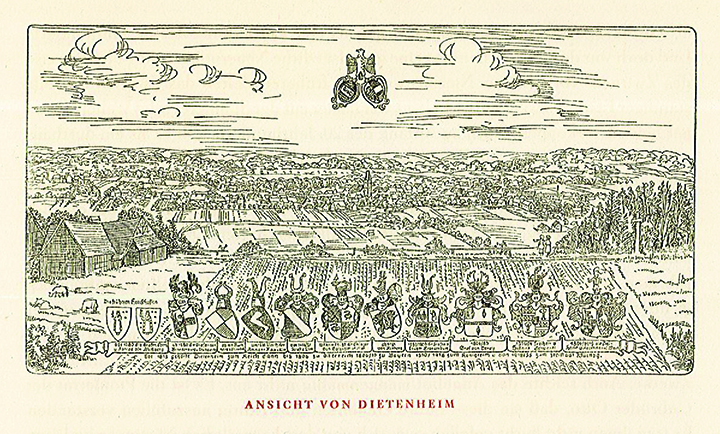
The brothers from Nürtingen chose Dietenheim as the location for their company because land was more affordable there than in their hometown. As two of sixteen children, they could not expect financial support from their family. At the same time, they believed the rural community would offer better opportunities to recruit the workforce they needed.
Milestones in our Company History
-
1901
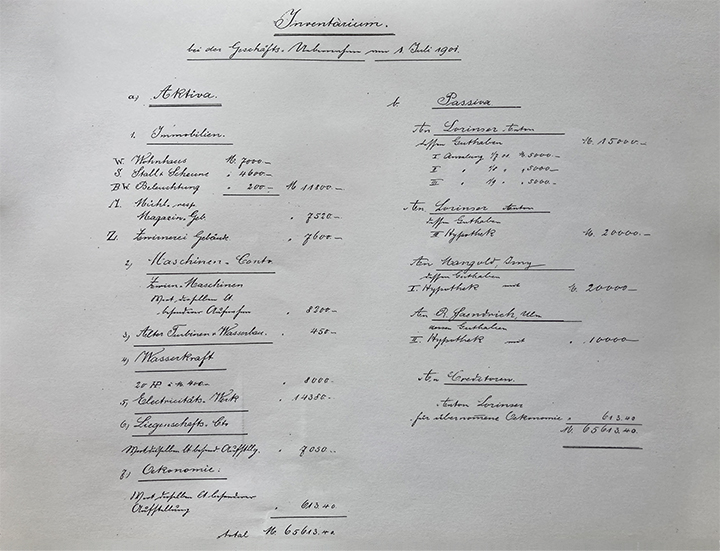
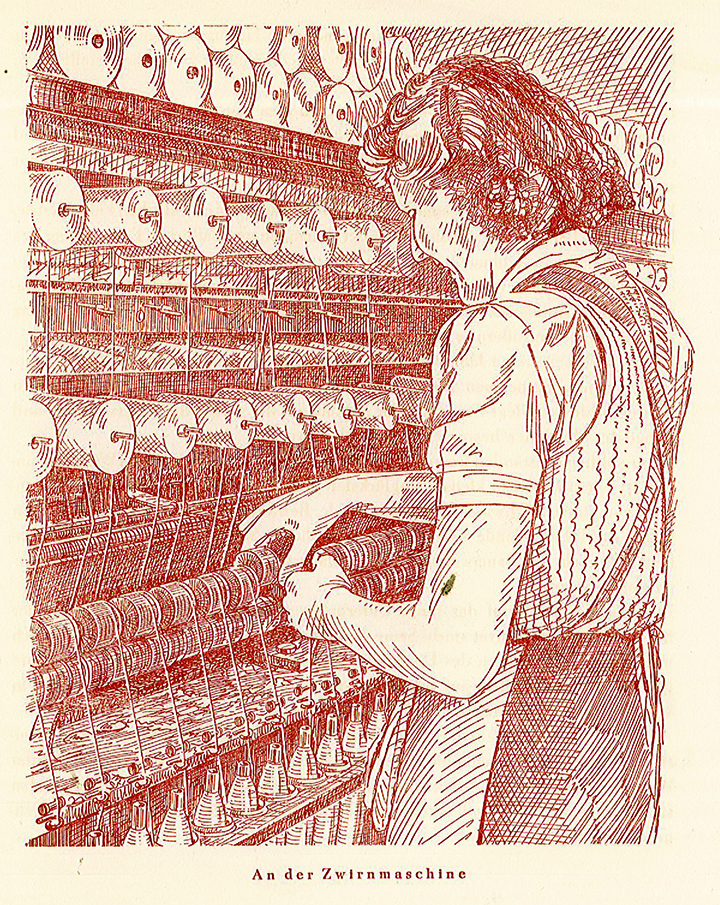
 Carl and Ernst Otto found a twisting mill in Dietenheim on the river Geißen. To establish the business, they purchase a farm that includes a sawmill and a mill with a small electricity plant. The acquisition also includes four twisting machines.
 -
1904
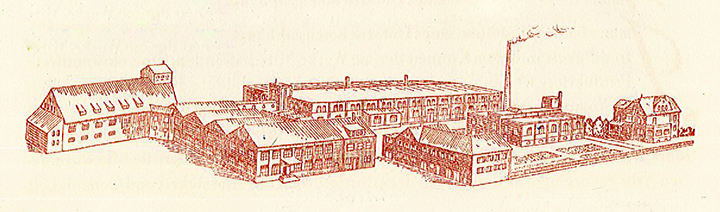
 A new building for the twisting mill becomes necessary. The brothers have already acquired two smaller mills and built a new canal to improve power generation – a canal that still exists today.
 -
1910
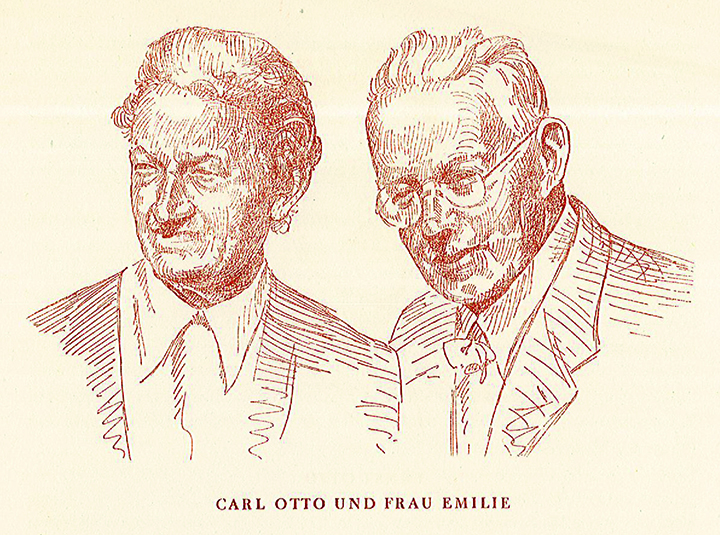
 Ernst Otto passes away. Carl Otto assumes sole responsibility for the young company, supported by his wife Emilie, who plays an important role at his side.
 -
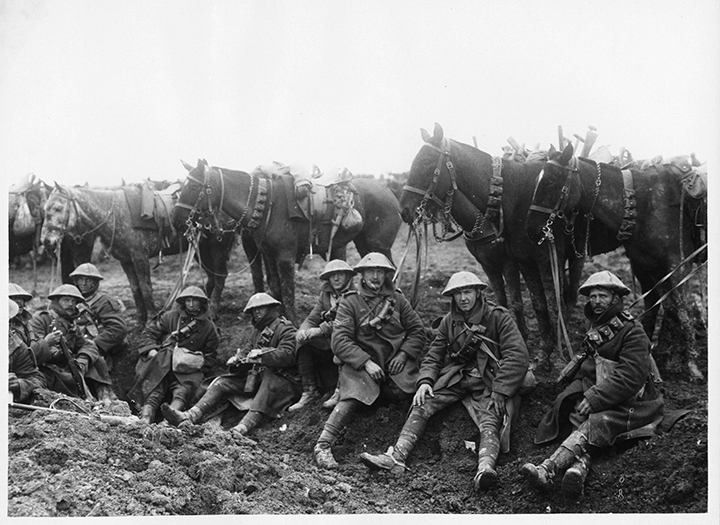
1914-1918
 World War I sweeps across Europe. After the war, the company faces major economic fluctuations and currency devaluation. Despite these challenges, investments and modernization continue: the mill transitions from line shaft drives to individual machine drives.
 -
1927
 Sixteen twisting machines are now in operation at the Dietenheim site.
 -
1936
 Carl Alexander Otto (in the middle, between Carl and Emilie Otto) becomes a partner in the company. The factory facilities are expanded to twice their 1904 size. Additional spinning machines are installed, and an air-conditioning system is introduced.
 -
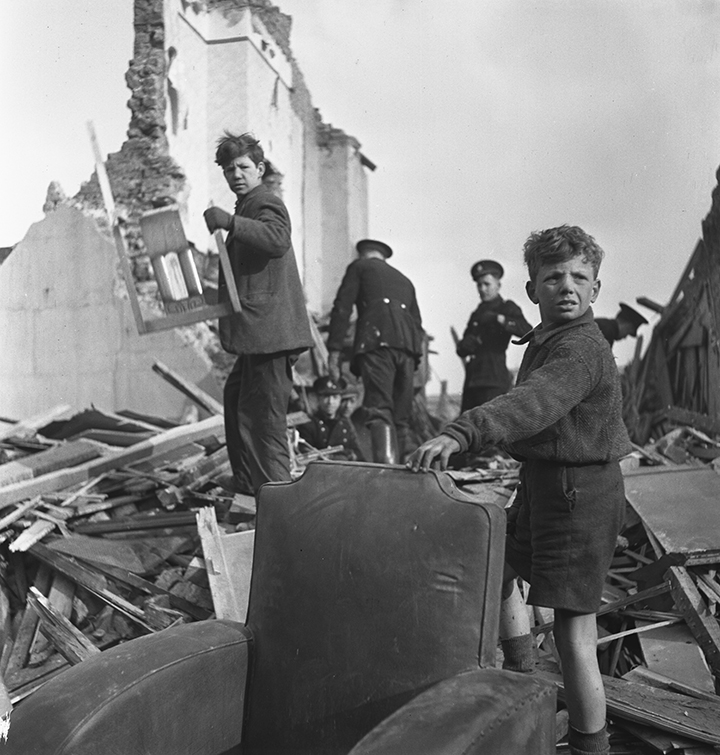
1938-1945
 Many Otto employees serve in the war. Carl Alexander Otto is also conscripted and returns from American captivity in 1945.
 -
1948
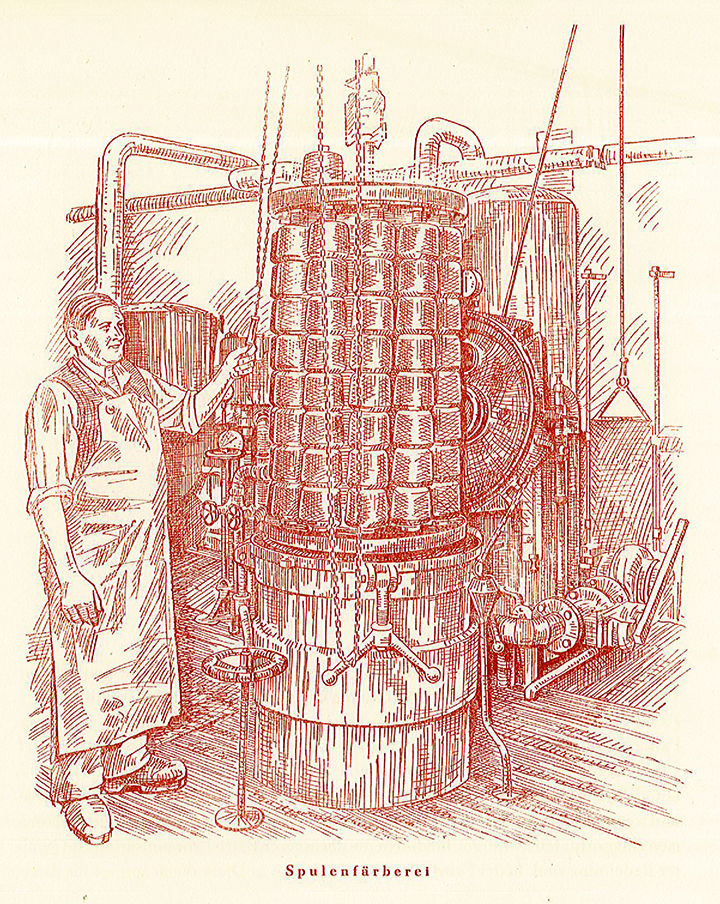
 The Dietenheim plant is expanded with a skein and package dyeing facility, including bleaching and mercerizing.
 -
1951
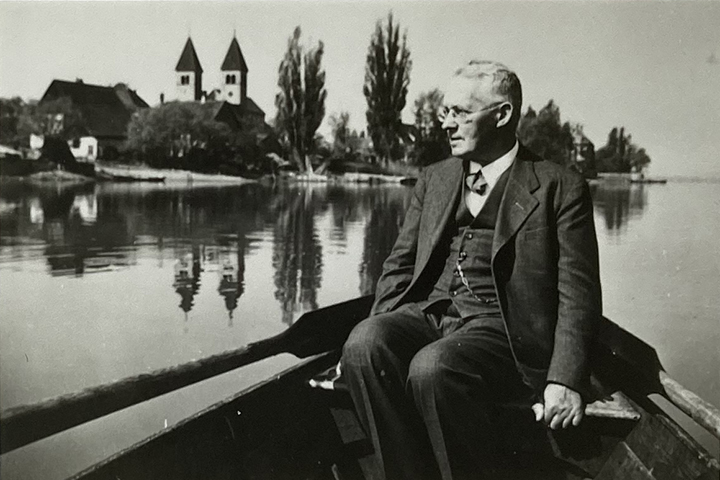
 Otto celebrates its 50th anniversary with a company trip for all employees to Lake Constance and the island of Reichenau. For Carl Alexander Otto, the island had become a place close to his heart.
 -
1958
 A modern twisting mill begins operations in nearby Balzheim. Carl Alexander Otto had purchased a grain and sawmill there in 1954. The new facility also runs on hydroelectric power.
 -
1962
 Cotton spinning begins in a newly built single-story facility in Balzheim. With its own spinning mill, the company gains greater control over the consistent quality of its threads.
 -
1972
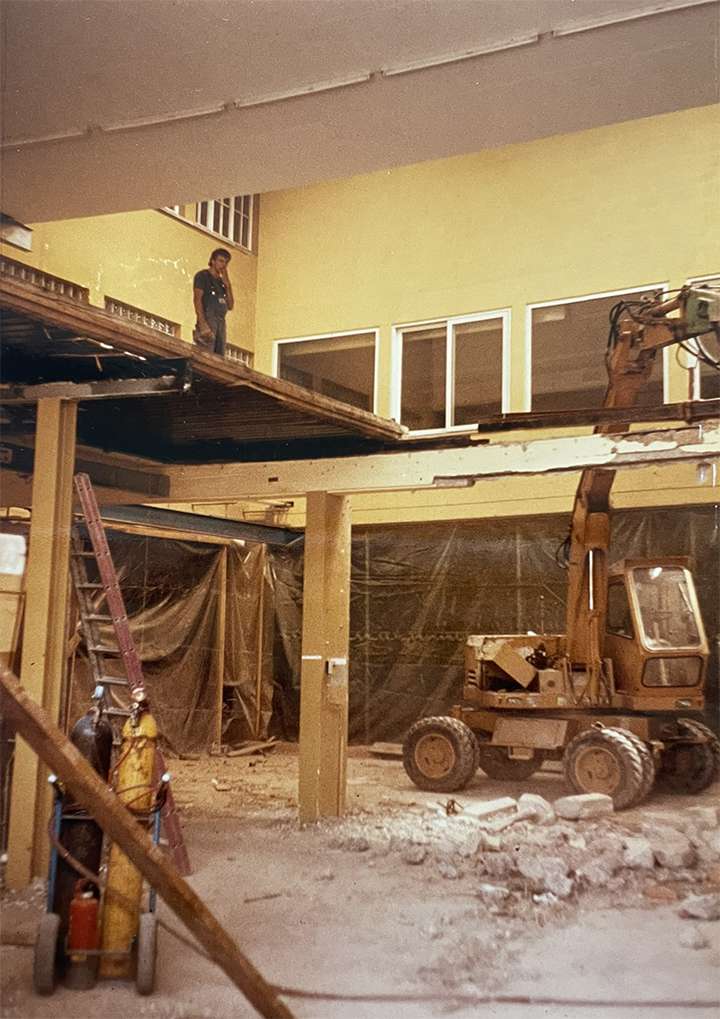
 Carl-Heinz Otto joins the company. Throughout the 1970s, the dyeing plant is extensively modernized and the machinery is completely replaced.
 -
1990
 A second spinning mill begins operations in Balzheim. Production now runs in a modern one-line manufacturing process.
 -
1998
 Andreas Merkel joins the company. Starting in 2003, he shares the company’s management with his uncle, Carl-Heinz Otto.
 -
2001
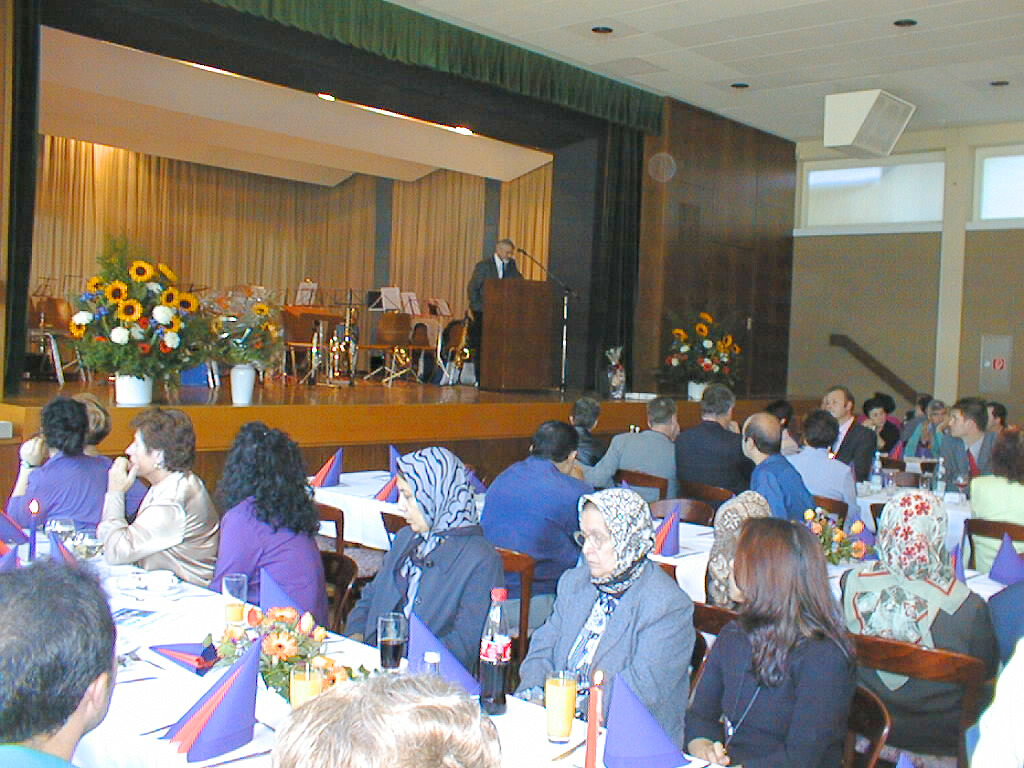
 Gebr. Otto celebrates its 100th anniversary and employs around 250 people in Balzheim and Dietenheim.
 -
2008
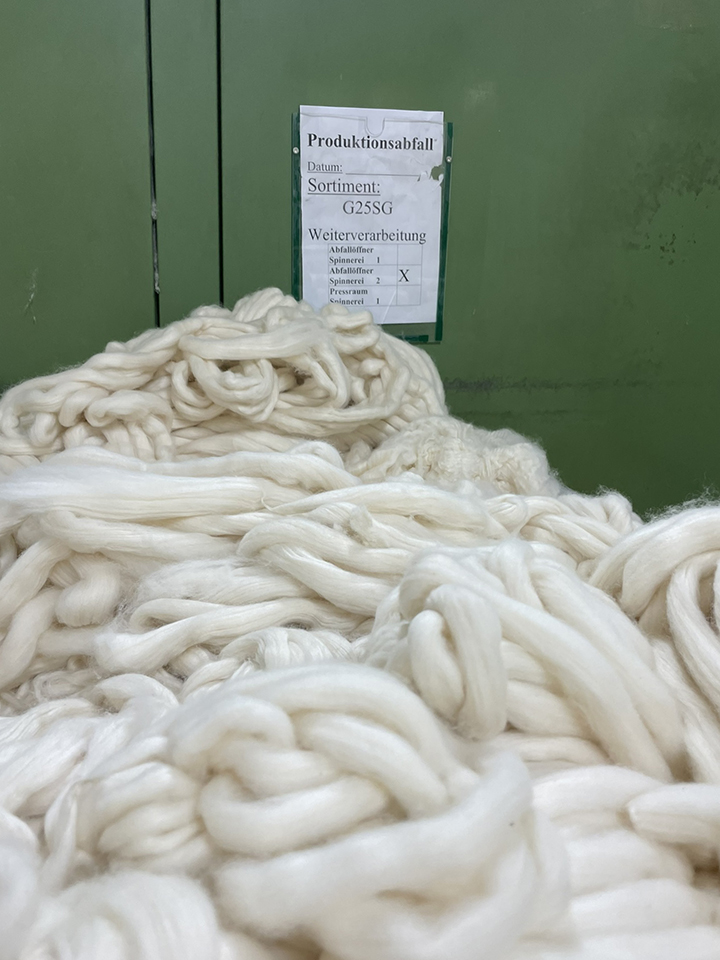
 recot2 yarn is launched. Containing 25% recycled cotton from production waste, it significantly reduces the water required to produce cotton yarn.
 -
2018
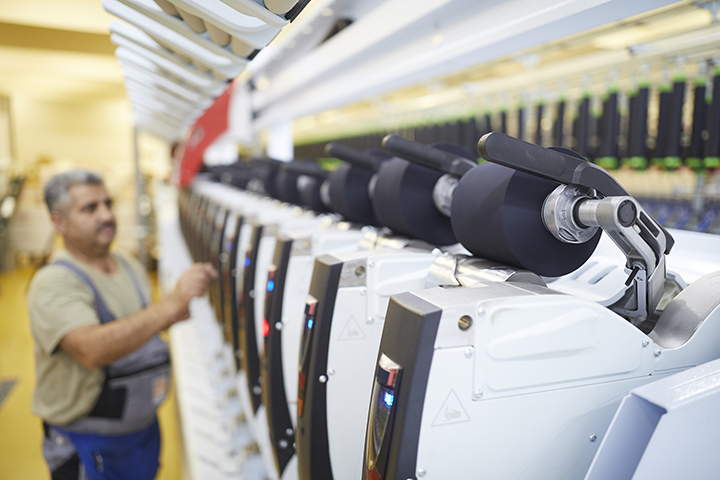
 Spinning Mill II in Balzheim is converted into a technical spinning facility. High-performance yarns such as aramid are now spun for use in protective clothing, ballistics and technical textiles.
 -
2023
 A hemp–cotton blend opens up new customer segments for Gebr. Otto. Alongside natural and technical fibers, the Dietenheim spinning mill has also been processing regenerated branded fibers such as Lyocell® for several years.
 -
2024
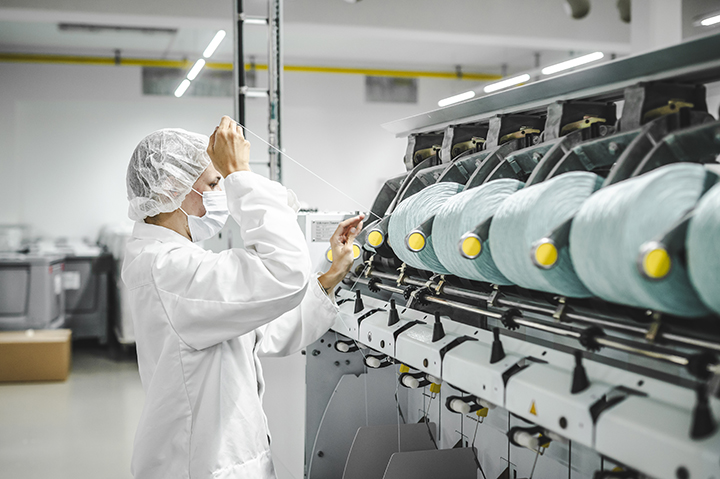
 A twisting facility in the hygienic production area begins operations.


Different from the Beginning
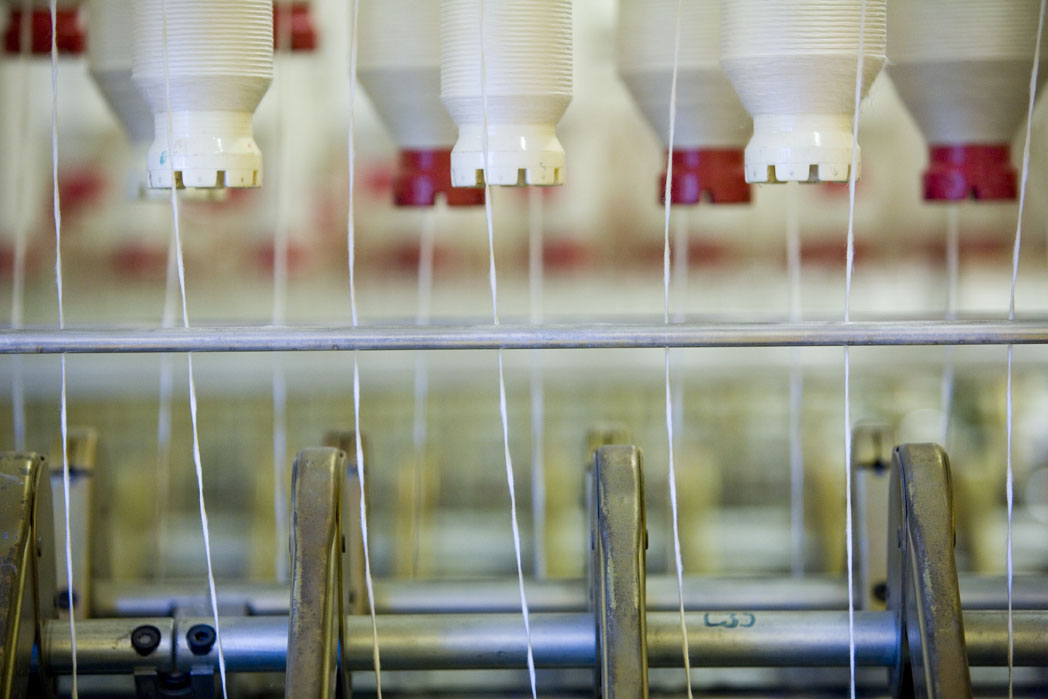
Twisting as an Independent Business
“At the beginning of the 20th century, establishing a twisting mill as a specialized, stand-alone operation was considered quite a daring undertaking.”
This remark appears in the brochure published for the company’s 50th anniversary – and it captures the spirit of the early years. Around 1900, twisting mills were typically integrated into spinning mills, weaving mills, or both. Creating an independent twisting mill was therefore seen by many as a risky idea.
Carl and Ernst Otto saw things differently. They believed in the continued growth of the textile industry and recognized an emerging opportunity. Across the region, many small factories were producing fabrics, knitwear and other textiles. Operating their own spinning and twisting mills was beyond their means, yet they depended on reliable, high-quality yarns.
Carl and Ernst Otto identified this gap early on. By focusing on twisting as a specialized business, they created a model that would allow Gebr. Otto to serve these manufacturers with consistent quality – laying the foundation for the company’s long-term success.
The Need for a Dyeing Facility
Carl Alexander Otto’s business travels regularly took him to Switzerland. From the mid-1930s onward, he observed that many successful textile companies there operated their own integrated dyeing facilities. Time and again, the mills he encountered in the Swiss Confederation impressed him. They appeared more modern and forward-looking than many textile businesses in southern Germany.
When Carl Alexander Otto returned from the war in 1945, he set himself a clear goal: to complement the twisting mill in Dietenheim with a dyeing facility of its own. Yet the circumstances of the post-war years made this ambition difficult. There was virtually no currency available with which to purchase the necessary machinery.
Carl Alexander Otto therefore found an unconventional solution. Through a trusted business partner, underwear was produced from twisting yarn made in Dietenheim. These garments were then exchanged in a barter deal for the company’s first dyeing machine. With this remarkable trade, he laid the foundation for the skein and package dyeing facility with bleaching and mercerization that became part of the company at the end of the 1940s.
Kapok – The Fiber Once Thought Impossible to Spin
Sustainable products have long been a core strength at Gebr. Otto. But true innovation rarely comes easily. Kapok, for example, is the lightest natural fiber in the world. Its cultivation requires far less water than cotton, it is harvested from perennial trees, and kapok trees store carbon for many years.
Kapok is six times lighter than cotton – making it a promising candidate for sustainable cotton-blend yarns. For decades, however, the fiber was considered virtually impossible to spin. Its delicate structure posed a challenge that the textile industry had long avoided.
At Gebr. Otto, the idea nevertheless took hold. After numerous trials, the team finally succeeded in taming the elusive fiber and turning it into a spinnable yarn. The result was Piumafil – making Gebr. Otto the first spinning mill in the world to master this challenge.
The yarn combines 85 percent organic cotton with 15 percent kapok, bringing together sustainability, lightness and technical expertise – and proving once again that progress often begins where others see limits.
(Always) a question of energy
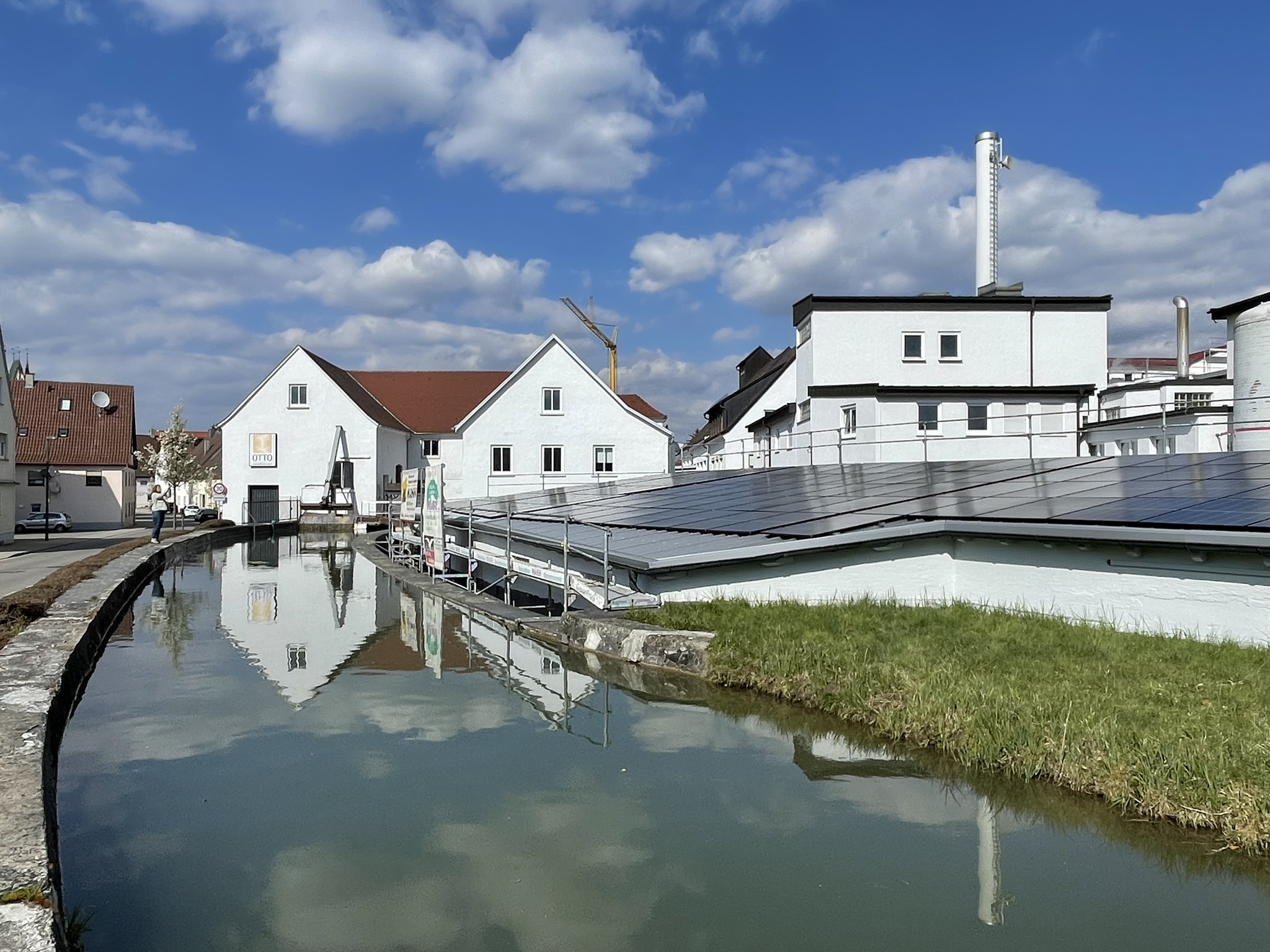
Access to energy has shaped the company from the very beginning. When founders Ernst and Carl Otto chose their location on the Gießen stream in Dietenheim, one decisive factor was that a small electricity plant was already operating there. Its output: around 20 horsepower – the foundation for running the twisting mill.
To this day, electricity in Dietenheim is still generated from hydropower. Anyone sitting in one of the meeting rooms at the site quickly becomes accustomed to the deep, steady hum of the turbines in the background.
Today, in 2026, the sun also contributes to powering the Dietenheim site. Since the end of 2025, a solar power system installed on the factory buildings has been connected to the grid, producing a maximum output of around 500 kWp.
And when the weather cooperated – as it did during the sunny days of September 2025 – the 1,111 solar modules were able to cover the entire electricity demand of the Dietenheim site on several days, and even generate a small surplus.
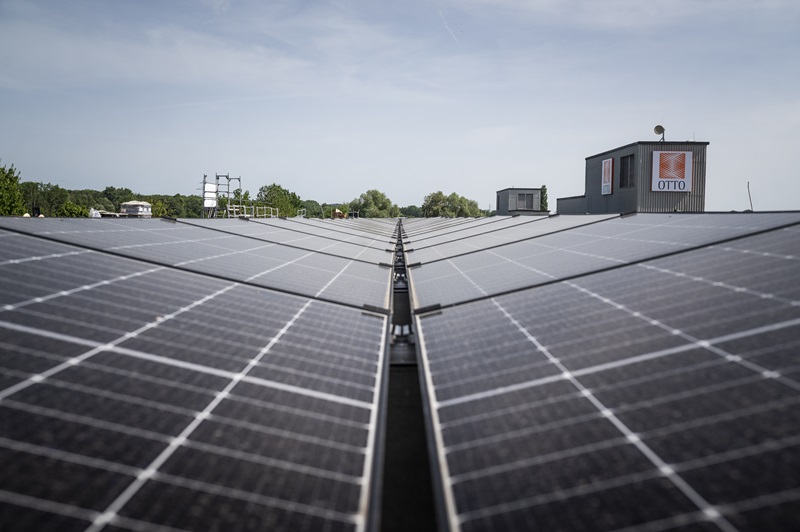
Hydropower and solar energy also form the company’s own energy mix in Balzheim. The solar panels on the roof of Spinning Mill I cover an area the size of a football field and generate a maximum annual output of 928,577 kWh.
With this, we have reached our goal for the 125th anniversary: covering 30 percent of our electricity demand through solar and hydropower.
Four generations of the Otto family
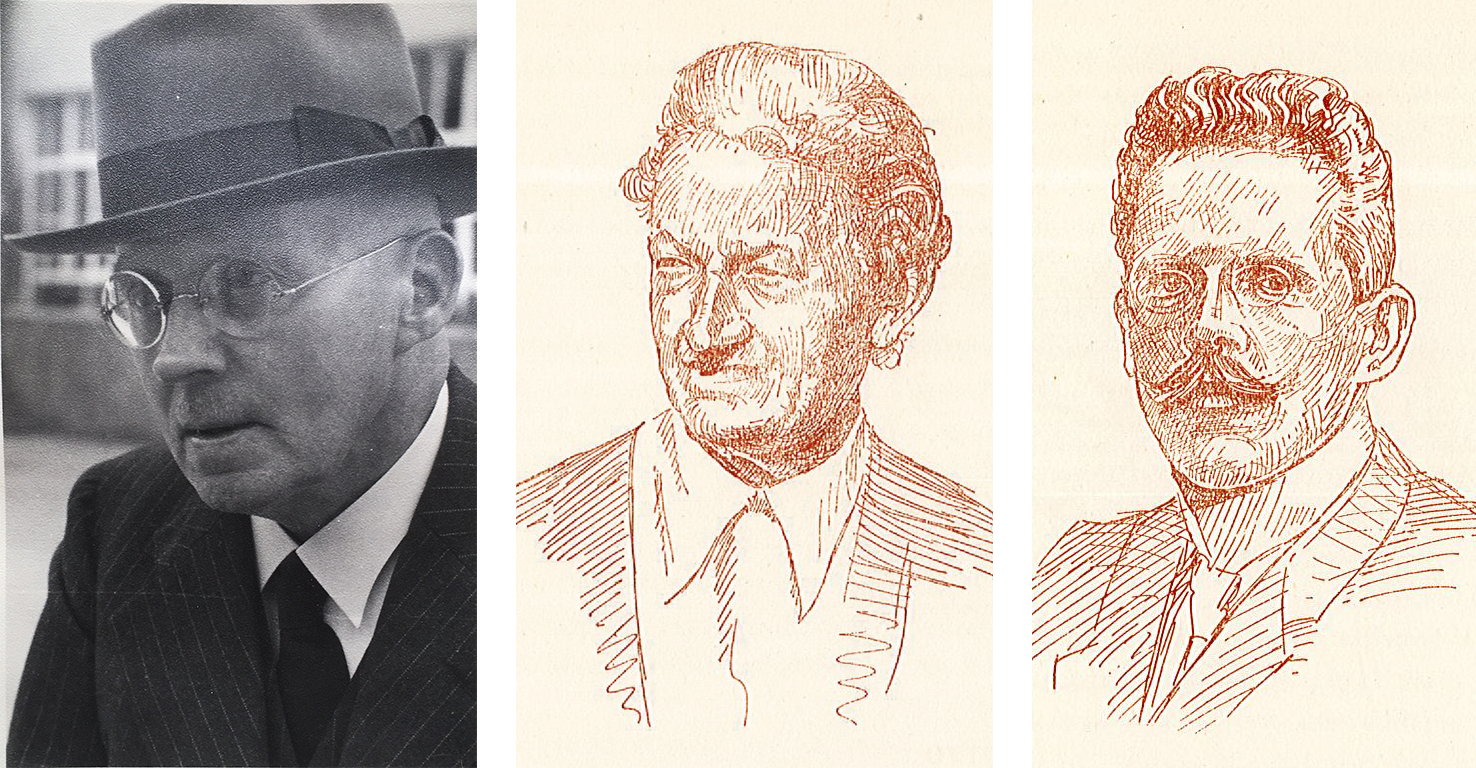
1st Generation
from left to rigt.:
- Carl Gustav Otto, 1874-1951.
Originally responsible for the commercial side of the business, he expanded the twisting mill after the death of his brother in the 1920s and reorganized it according to modern principles, improving energy efficiency and ensuring consistently high product quality. - Emilie Otto, 1876-1950.
After the early death of Ernst Otto, Carl Gustav Otto’s wife became his closest confidante and a driving force in the young company. Within the factory she was never seen without her work apron, while at external engagements she was known for her distinctly “ladylike” presence. - Ernst Otto, 1875-1910. Ernst Otto was responsible for establishing the technical foundations of the plant. He is also believed to have laid the groundwork for the company’s machine workshop, which still exists today.
2nd Generation
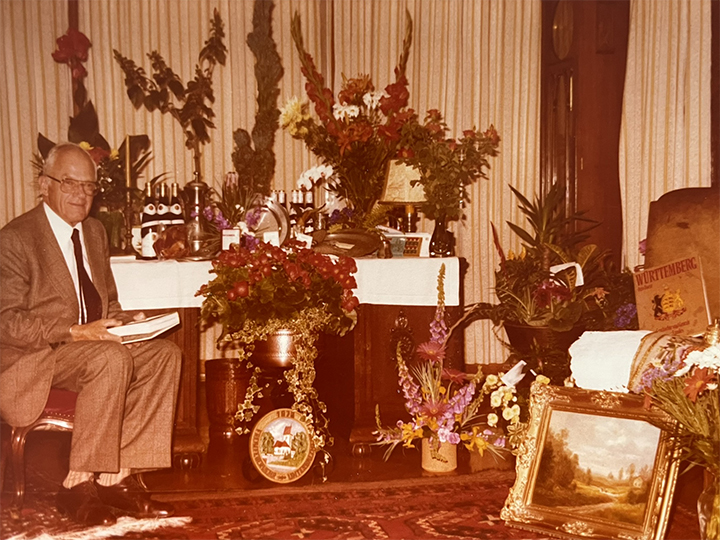
- Carl Alexander Otto, 1909-1993.
After the Second World War, he laid the foundation for the company’s dyeing operations. Convinced of the potential of this new business area, he acquired the first dyeing machine even before the German currency reform – in an unusual barter deal involving underwear produced from Otto yarn by a friendly garment manufacturer.
Carl Alexander Otto also believed firmly that satisfied employees were essential to a successful company. During his tenure, he introduced Christmas bonuses and regular company outings, and established a “modern bathing and shower facility” for all employees at the plant.
3rd Generation
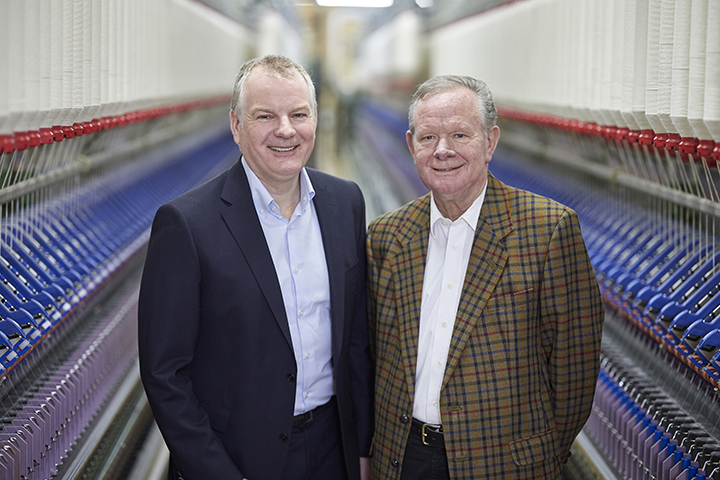
- Carl-Heinz Otto, 1946-2019.
Carl-Heinz Otto, 1946-2019. In his memoirs, Carl Alexander Otto noted with satisfaction that his son was at the factory every morning by 6 a.m.—proof enough, in his eyes, of his diligence. At that hour Carl-Heinz Otto would begin his daily round of the facilities, a routine that led him almost every day through the plants in Dietenheim and Balzheim throughout his professional life.
4th Generation
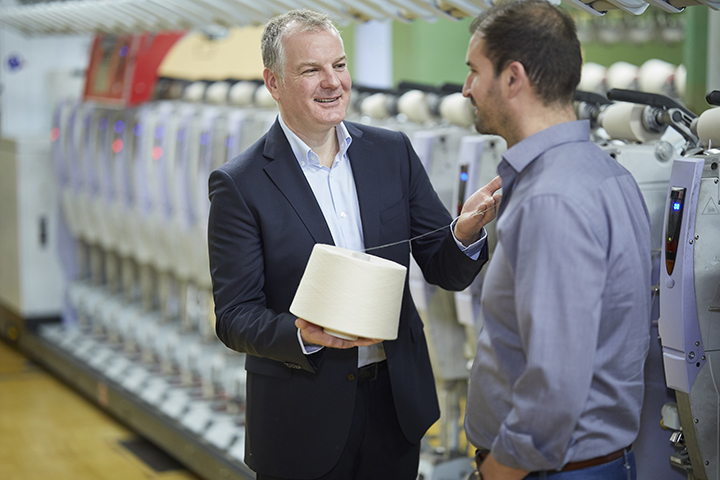
- Andreas Merkel, Jahrgang 1972.
As a teenager, he was close to pursuing a career as a professional golfer. In the end, however, he followed his mother’s advice and studied textile engineering in Reutlingen, later complementing his technical education with a degree in business administration.
He joined the company in 1998 and, following the death of his uncle Carl-Heinz Otto, became its sole Managing Director. Andreas Merkel places a strong focus on innovation and sustainability in both production and products. He is also committed to strengthening regional and European value chains in the textile industry.